5s
+1
Submission successful!
March 12, 2026

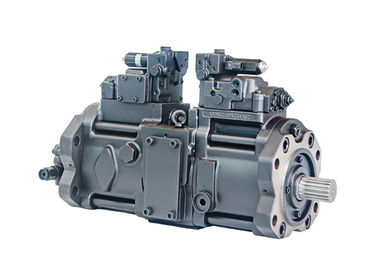
In construction machinery, industrial automation, and heavy equipment, the hydraulic pump is a key power component. It converts mechanical energy into hydraulic energy, providing stable pressure and flow to the system. Choosing the right pump affects not only performance but also efficiency and longevity.
1️⃣Identify Your Application Needs
Different hydraulic equipment has different pump requirements. Excavators, loaders, and industrial presses vary in load, working frequency, and pressure range.
Gear pumps: Simple design, cost-effective, suitable for medium- and low-pressure systems
Piston pumps: High efficiency, ideal for high-pressure and precise control applications
Vane pumps: Low noise, long life, suitable for continuous operation
2️⃣Match Flow Rate and Pressure
Flow rate and pressure must match the equipment requirements. Mismatched pumps can slow operations, waste power, or damage components.
Flow rate (L/min): Determines operation speed
Pressure (bar/MPa): Determines working force
3️⃣Durability and Maintenance
Hydraulic pumps often operate under high pressure, high temperature, and dusty environments. Durability is critical. Pumps with high-quality materials and good sealing reduce leaks and wear. Regular inspection of bearings, seals, and hydraulic fluid is essential to prolong service life.
4️⃣Choose a Reliable Brand
There are many hydraulic pump brands, with varying quality. Choosing a reputable brand ensures part quality, after-sales service, and technical support. Genuine or high-quality replacement parts usually match your equipment better and have lower failure rates.
5️⃣Common Mistakes
Focusing only on price: Cheap pumps may save money upfront but incur higher maintenance and downtime costs
Ignoring environmental factors: High temperature, dust, and corrosive fluids affect lifespan
Skipping parameter check: Mismatched model, flow, pressure, or fittings can damage the system